Body Fat Calculator
Body Fat Calculator
U.S. Navy Body Fat Percentage Calculator
Body Fat = 15.3%
| Body Fat (Navy Method) | 15.3% |
| Body Fat Category | Fitness |
| Body Fat Mass | 23.2 lbs |
| Lean Body Mass | 128.8 lbs |
| Ideal Fat for Given Age | 10.5% |
| Fat to Lose to Reach Ideal | 7.2 lbs |
| Body Fat (BMI Method) | 15.4% |
What is the Body Fat Calculator?
The Body Fat Calculator is a premium health tool designed to estimate your total body fat percentage. It uses two widely accepted calculation methods: the U.S. Navy Method (which relies on circumferences of the waist, neck, and hips) and the BMI Method (which derives body fat using height, weight, age, and sex).
Understanding your body composition—rather than just your scale weight—gives you a much clearer picture of your overall fitness and health. This tool helps you track muscle retention, fat loss goals, and compare your body fat against standard fitness categories and age-based ideals.
ACE Body Fat Classifications
The American Council on Exercise (ACE) lists standard body fat percentage categories. Since women require higher essential fat levels for reproductive and hormonal health, women's category boundaries are higher than men's:
| Description | Women (%) | Men (%) |
|---|---|---|
| Essential Fat | 10 – 13% | 2 – 5% |
| Athletes | 14 – 20% | 6 – 13% |
| Fitness | 21 – 24% | 14 – 17% |
| Average Weight | 25 – 31% | 18 – 24% |
| Obese | ≥ 32% | ≥ 25% |
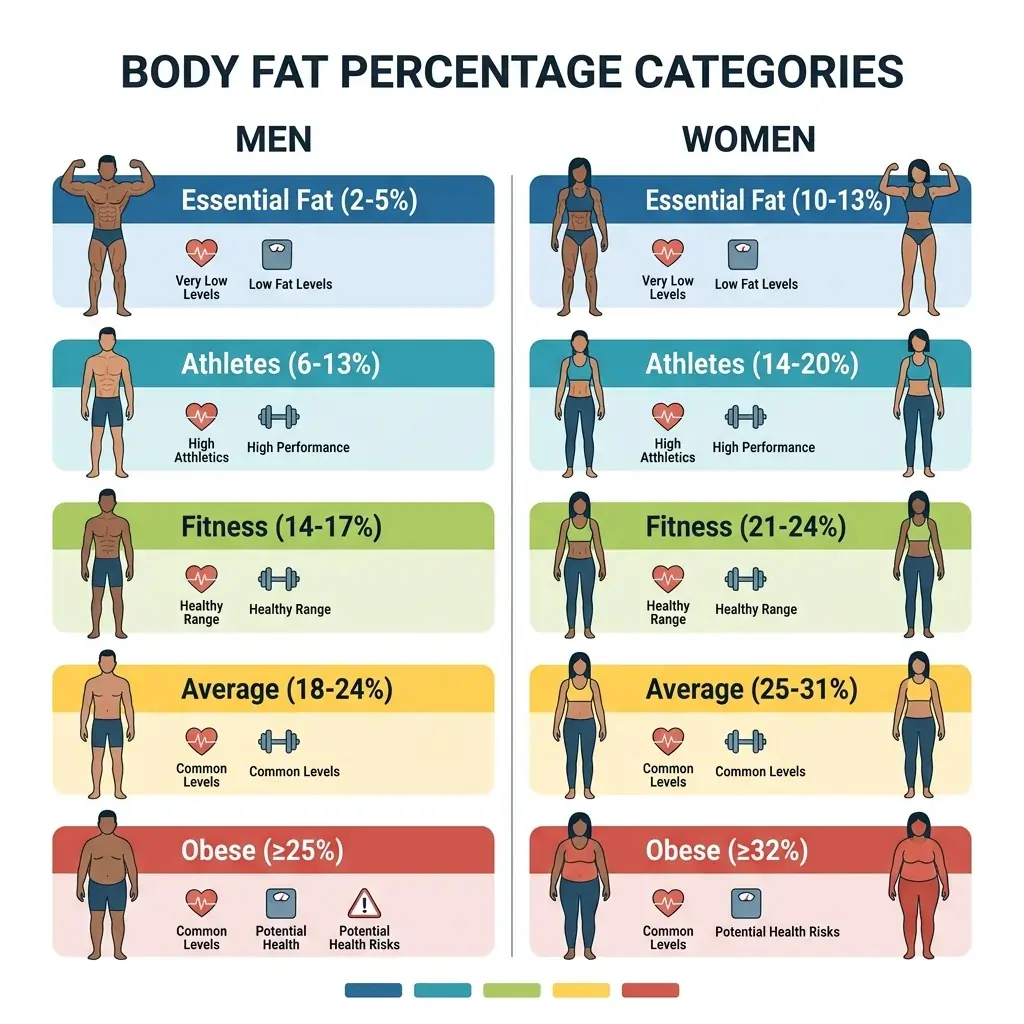
Figure 1: Visual breakdown of ACE body fat percentage classifications.
Ideal Body Fat by Age (Jackson & Pollock)
As humans age, the natural proportion of internal lipid stores increases slightly. The Jackson & Pollock method provides standard ideal targets for different age groups:
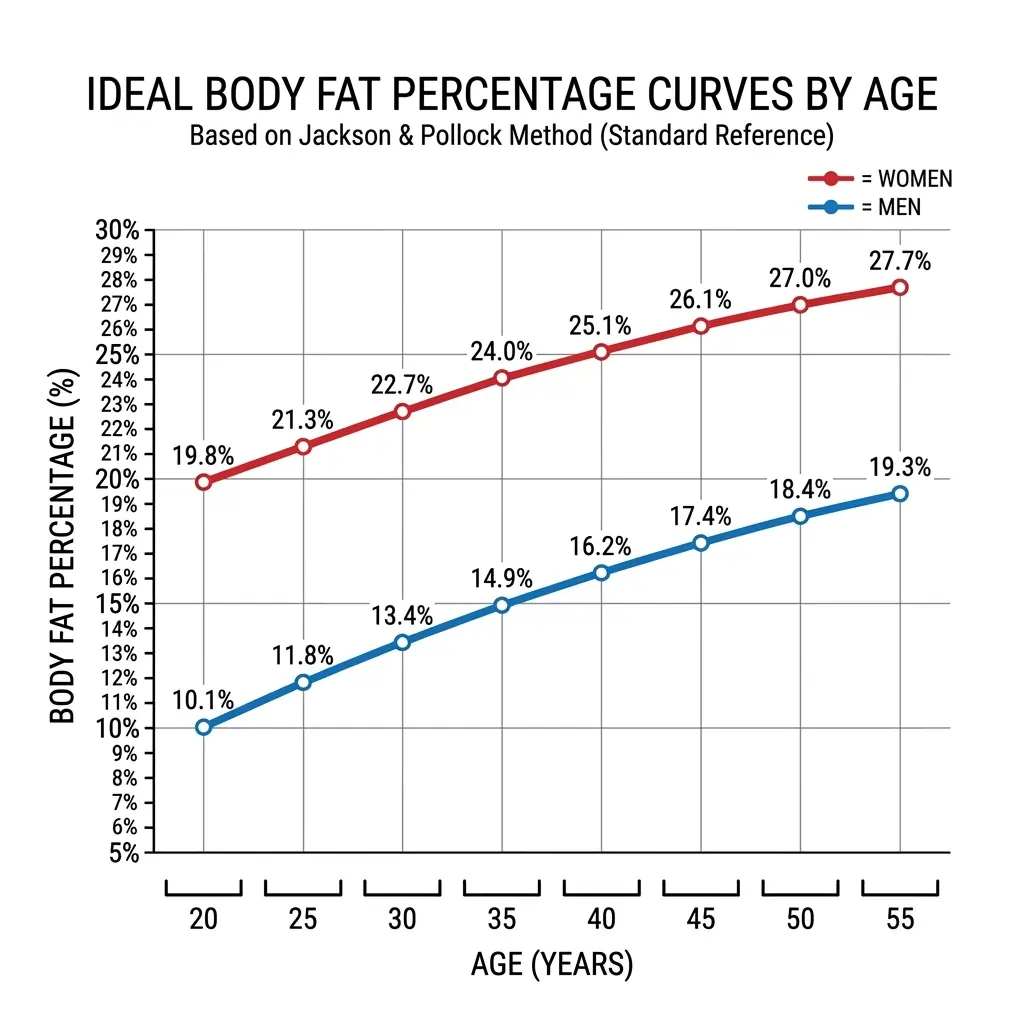
Figure 2: Ideal body fat curves by age for men and women.
| Age Bracket | Ideal Women (%) | Ideal Men (%) |
|---|---|---|
| 20 | 17.7% | 8.5% |
| 25 | 18.4% | 10.5% |
| 30 | 19.3% | 12.7% |
| 35 | 21.5% | 13.7% |
| 40 | 22.2% | 15.3% |
| 45 | 22.9% | 16.4% |
| 50 | 25.2% | 18.9% |
| 55+ | 26.3% | 20.9% |
1. The U.S. Navy Method Equations
Adopted by the military, these log equations require waist, neck, and height dimensions (and hips for women).
2. The BMI Method (Deurenberg Formula)
Estimates body fat % purely using height, weight (BMI), age, and biological sex.
Risks of High Body Fat
Carrying excess adipose tissue, particularly visceral fat around organs, raises metabolic and health risks:
- Cardiovascular Issues: Atherosclerosis, heart attack, and high blood pressure.
- Type 2 Diabetes: Visceral lipids decrease muscle and liver insulin sensitivity.
- Obstructive Apnea: Airway obstruction during sleep due to neck fat tissue deposits.
- Joint Degeneration: Mechanical joint overload on hips and knees.
Risks of Low Body Fat
Adipose drop below essential distributions triggers physiological distress:
- Hormonal Shutdown: Cessation of menstruation and reduced bone density in women.
- Immune Impairment: High vulnerability to standard infection vectors.
- Thermo-Regulation: Extreme hypothermia vulnerability due to lack of thermal fat barrier.
- Chronic Fatigue: Depleted cellular energy storage and muscle breakdown.
Frequently Asked Questions
How accurate is the U.S. Navy Body Fat Method?
+
The Navy Method is highly accurate and reliable for the vast majority of individuals, usually aligning within 2-3% of clinical DXA scans. It relies on standard fat deposit areas (abdominal visceral fat for waist circumference, and sub-occipital neck fat) to calculate fat density.
What is the difference between BMI and Body Fat Percentage?
+
BMI (Body Mass Index) is a crude ratio of weight to height and cannot distinguish between muscle and fat. Body Fat Percentage calculates the exact portion of your total body weight composed of fat tissue, providing a far more accurate representation of body composition.
How does gender affect body fat targets?
+
Women have higher essential body fat requirements (10-13%) than men (2-5%). This biological fat is stored in breast tissue, hips, and thighs, and is critical for normal hormonal production, reproductive cycles, and basic metabolic functions.
What is Lean Body Mass (LBM)?
+
Lean Body Mass represents everything in your body that is not fat. This includes skeletal muscle, bone density, organs, blood, connective tissue, and water weight. It is calculated by subtracting your body fat mass from your total weight.