
Water Intake Calculator
Water Intake Calculator
Daily Hydration Requirement & Progress Tracker
Awaiting Inputs
Select your unit system, gender/life stage, body weight, exercise schedule, and climate, then click Calculate.
Why Does Tracking Water Intake Matter?
Water makes up roughly 60% of human body weight and plays a crucial role in virtually every biological process: regulating body temperature, lubricating joints, flushing out waste, carrying nutrients to cells, and maintaining cognitive performance.
Even mild dehydration (losing just 1–2% of body weight in fluids) can lead to headaches, brain fog, fatigue, reduced physical stamina, and muscle cramps. Estimating your personal daily baseline lets you target your hydration goals accurately, helping you optimize athletic performance, recovery, digestive health, and energy levels.
Daily Water Recommendations by Body Weight
Your body mass is the single strongest indicator of baseline water requirements. Larger bodies contain more cells and metabolic processes, requiring more fluid to sustain chemical equilibria. The table below represents baseline recommendations before exercise and climate factors are added:
| Weight (kg / lbs) | Daily Baseline (Liters) | Daily Baseline (fl oz) |
|---|---|---|
| 50 kg / 110 lbs | 1.8 L | 60 fl oz |
| 60 kg / 132 lbs | 2.1 L | 71 fl oz |
| 70 kg / 154 lbs | 2.5 L | 83 fl oz |
| 80 kg / 176 lbs | 2.8 L | 95 fl oz |
| 90 kg / 198 lbs | 3.2 L | 107 fl oz |
| 100 kg / 220 lbs | 3.5 L | 118 fl oz |
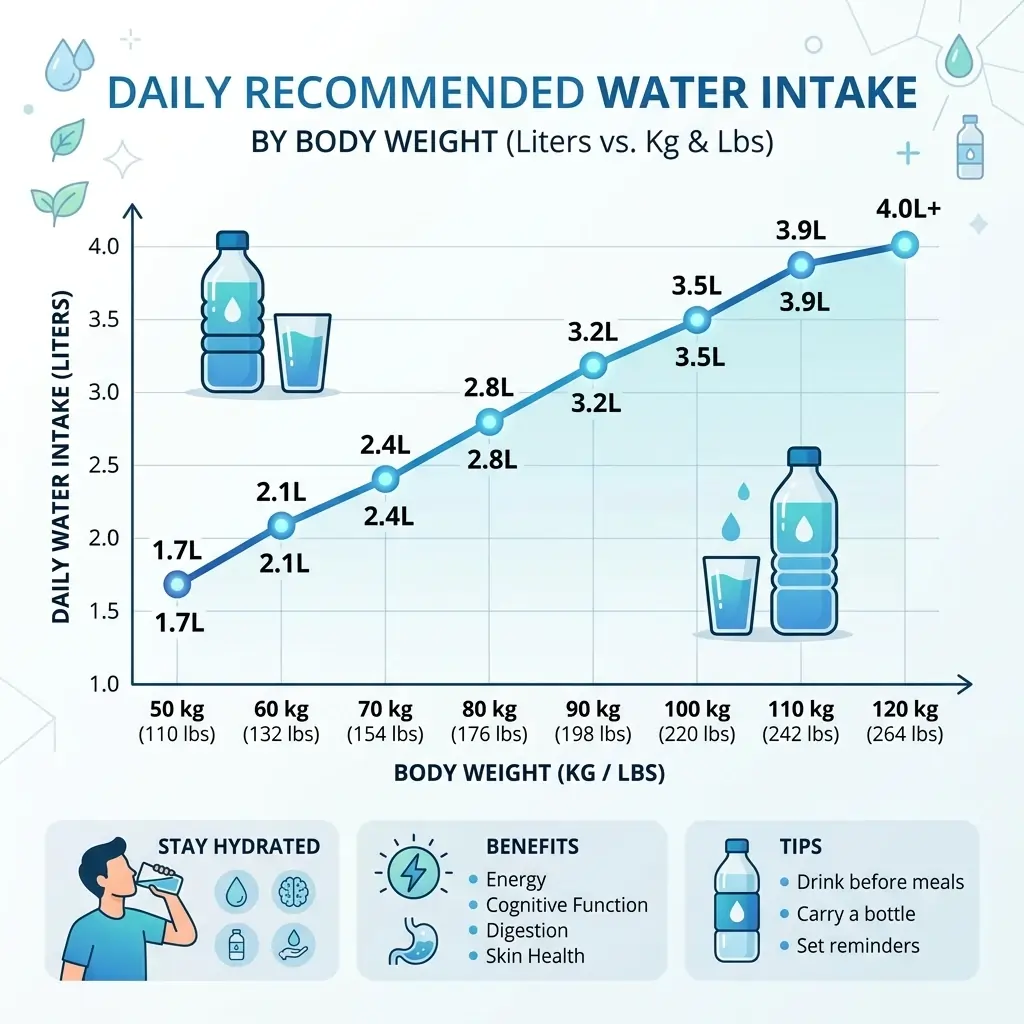
Figure 1: Baseline water needs based on total body weight.
Factors That Alter Hydration Needs
Standard water targets must be customized to fit your current lifestyle and environment. Sweat rates, physical motion, climate heat, and physiological conditions alter your fluid expenditure rate:
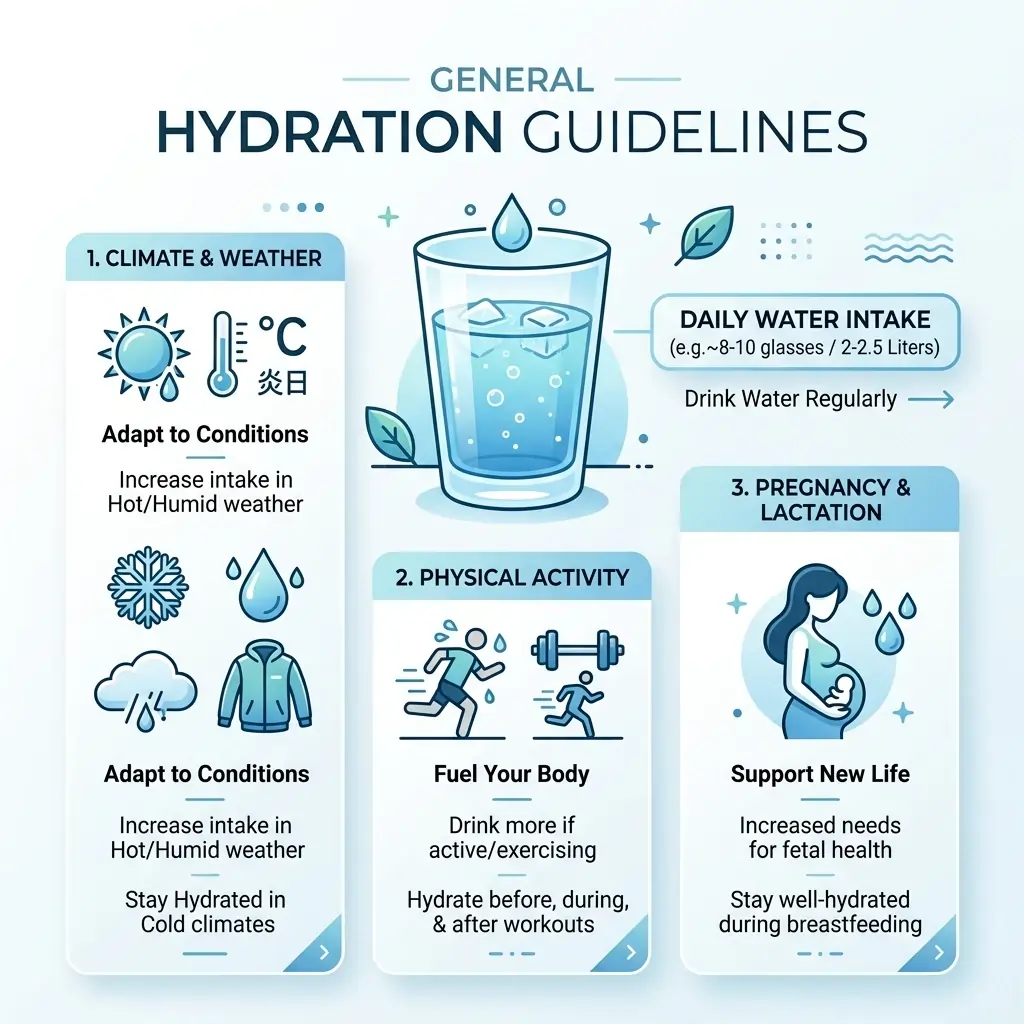
Figure 2: Summary of physiological and environmental factors affecting daily water requirements.
| Factor | Adjustment | Description / Rationale |
|---|---|---|
| Physical Exercise | +500 ml per 30m | Compensates for fluid lost through respiration and sweat. |
| Hot / Humid Climate | +15% baseline | Elevated temperatures trigger thermoregulatory sweating. |
| Cold Climate | -10% baseline | Cold air reduces perspiration, slightly lowering demand. |
| Pregnancy | +300 ml / day | Supports fetal circulation, amniotic fluid volume, and blood plasma expansion. |
| Breastfeeding | +750 ml / day | Breast milk is roughly 87% water; nursing mothers require offsets. |
How Daily Hydration is Calculated
The calculator uses weight to determine a baseline fluid volume of 35 ml per kilogram, increments this baseline by 500 ml for every 30 minutes of training, applies climate multiplier scaling, and appends pregnancy or breastfeeding constant offsets.
Calculate target for a 70 kg woman exercising for 30 minutes in a hot/humid climate:
Exercise Offset = (30 mins / 30 mins) × 500 ml = 500 ml
Climate Scaling = (2,450 ml + 500 ml) × 1.15 = 3,393 ml
Calculate target for a 150 lbs man exercising for 60 minutes in a cold climate:
Baseline = 68.04 kg × 35 ml = 2,381 ml
Exercise Offset = (60 mins / 30 mins) × 500 ml = 1,000 ml
Climate Scaling = (2,381 ml + 1,000 ml) × 0.90 = 3,043 ml (~103 fl oz)
Frequently Asked Questions
Does coffee, tea, or soda count towards my water intake?
+
Yes. Clinical studies show that caffeinated beverages, sodas, and juices contribute to your overall hydration levels. However, water is still the ideal choice as it contains no added sugars, artificial sweeteners, or caffeine, which has a mild, non-significant diuretic effect.
Can you drink too much water?
+
Yes. Drinking excessive amounts of water in a short window can lead to hyponatremia (water intoxication). This condition occurs when blood sodium levels drop dangerously low, causing cellular swelling, confusion, headaches, and in severe cases, medical emergencies.
How do I check if I am hydrated without a calculator?
+
The easiest way is to inspect your urine color. Light straw or pale yellow urine indicates healthy hydration levels. Clear urine means you may be overhydrating, while dark yellow or amber-colored urine is a clear warning sign of dehydration.
Does food contribute to my daily water requirement?
+
Yes. Approximately 20% of the average person's daily fluid intake comes from food moisture. Fruits and vegetables like watermelon, strawberries, cucumbers, and zucchini are over 90% water by weight and are excellent sources of hydration.