
Macronutrient Calculator
Macronutrient Calculator
Daily Calorie Target & Macro Ratios Split
Awaiting Inputs
Provide your gender, age, weight, height, activity levels, and weight goal, then click calculate to view daily macro splits.
What are Macronutrients (Macros)?
Macronutrients are the chemical compounds humans consume in largest quantities to obtain energy and raw materials for growth, metabolism, and bodily functions. They are composed of three primary groups: Proteins, Carbohydrates (Carbs), and Fats (Lipids).
While calories determine your weight gain or loss, the distribution of those calories across the three macros determines your body composition (muscle vs. fat ratio), metabolic health, hormone levels, and energy curves throughout the day. By calculating your personal macro ratios, you can target specific fitness and athletic outcomes.
Standard Diet Macro Ratios Comparison
Different nutritional strategies distribute daily calories across macros to trigger specific metabolic adaptations. The table below displays standard target ratios for typical health presets:
| Diet Strategy | Protein (%) | Carbs (%) | Fat (%) |
|---|---|---|---|
| Balanced / Zone Diet | 30% | 40% | 30% |
| High Protein / Bodybuilding | 35% | 35% | 30% |
| Low Carb / Fat Adaptation | 40% | 20% | 40% |
| Keto / Very Low Carb | 25% | 5% | 75% |
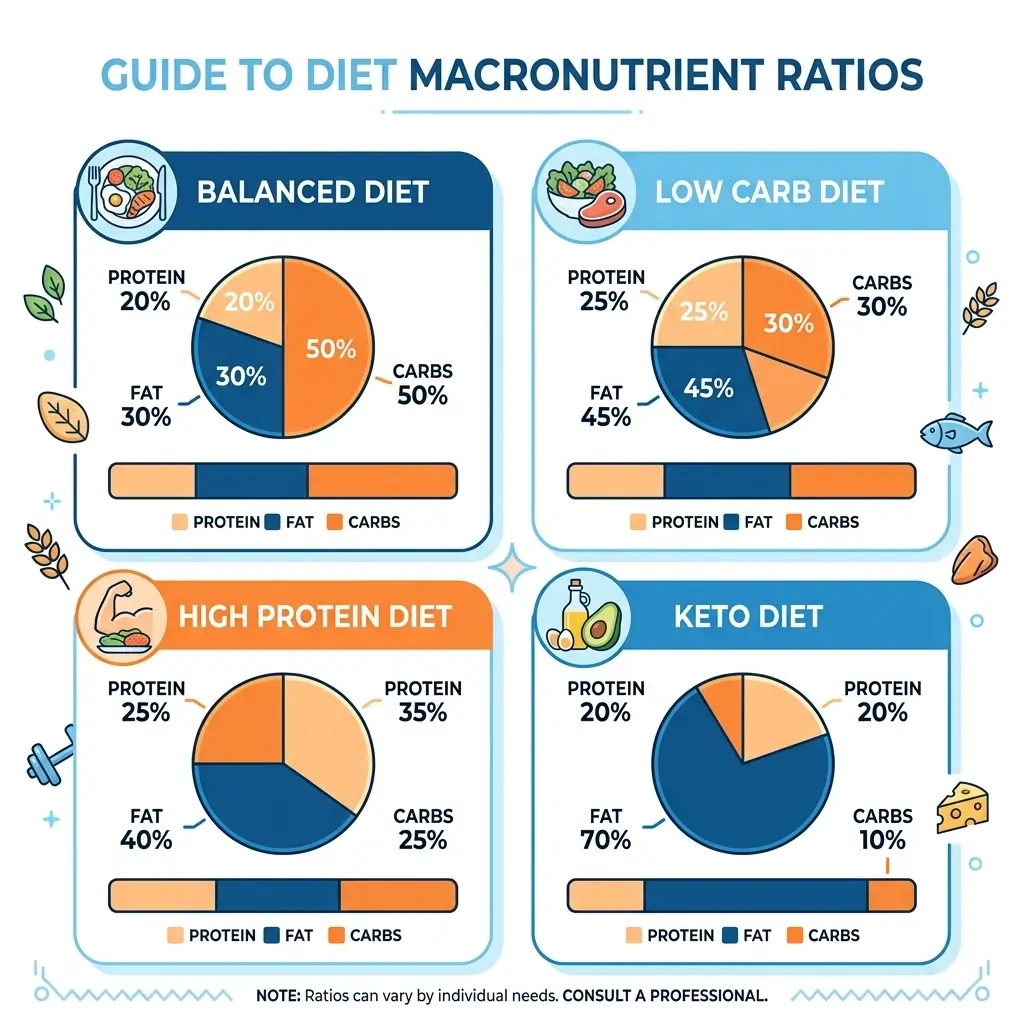
Figure 1: Visual comparison of calorie distribution in common diets.
Understanding Macronutrient Functions
Each macro plays a unique role in your body's survival and performance. Choosing whole food sources ensures you consume quality micronutrients alongside macros:
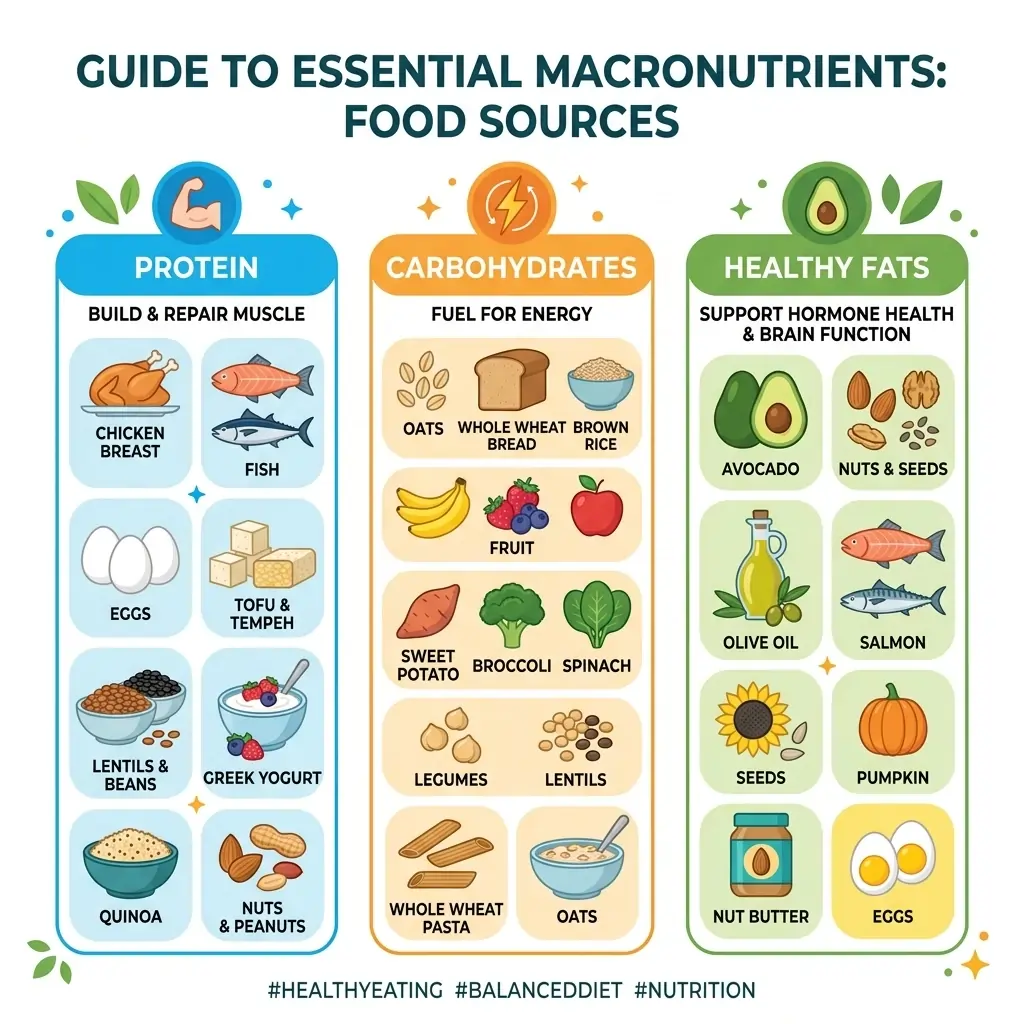
Figure 2: Food groups rich in proteins, carbs, and fats.
The building blocks of body tissues, muscles, enzymes, and hormones. Quality sources include chicken breast, lean beef, fish, eggs, tofu, and legumes.
The body's primary and most efficient energy source. Complex sources include oats, sweet potatoes, brown rice, quinoa, and vegetables.
Critical for hormone synthesis, cell membrane structure, and absorbing fat-soluble vitamins (A, D, E, K). Sources include avocados, olive oil, nuts, and seeds.
The Calculation Equations
To convert total daily calories into exact grams for each macronutrient, multiply the total calorie target by each macro's percentage split, and divide by the calorie density per gram:
Carbohydrates (g) = [Calories × Carbs %] / 4
Fat (g) = [Calories × Fat %] / 9
Target = 2,000 kcal, Balanced Diet Preset (30% Protein, 40% Carbs, 30% Fat):
Carbs: [2,000 × 0.40] / 4 = 800 / 4 = 200g (800 kcal)
Fat: [2,000 × 0.30] / 9 = 600 / 9 = 67g (600 kcal)
Macronutrient Content in Common Foods
Use the reference table below to see standard nutrient values (protein, carbs, and fat in grams) per serving size:
| Food Item | Serving Size | Protein | Carbs | Fat |
|---|---|---|---|---|
| Fruits | ||||
| Apple | 1 (4 oz.) | 0.27g | 14.36g | 0.18g |
| Banana | 1 (6 oz.) | 1.85g | 38.85g | 0.56g |
| Grapes | 1 cup | 1.15g | 28.96g | 0.26g |
| Orange | 1 (4 oz.) | 0.79g | 11.79g | 0.23g |
| Watermelon | 1 cup | 0.93g | 11.48g | 0.23g |
| Vegetables | ||||
| Asparagus | 1 cup | 2.95g | 5.2g | 0.16g |
| Broccoli | 1 cup | 2.57g | 6.04g | 0.34g |
| Carrots | 1 cup | 1.19g | 12.26g | 0.31g |
| Cucumber | 4 oz. | 0.67g | 2.45g | 0.18g |
| Lettuce | 1 cup | 0.5g | 1.63g | 0.08g |
| Proteins | ||||
| Beef, cooked | 2 oz. | 14.2g | 0g | 10.4g |
| Chicken breast, cooked | 2 oz. | 16g | 0g | 1.84g |
| Egg | 1 large | 6.29g | 0.38g | 4.97g |
| Tofu | 4 oz. | 7.82g | 2.72g | 3.06g |
| Shrimp, cooked | 2 oz. | 15.45g | 0.69g | 1.32g |
| Meals & Snacks | ||||
| Bread, white | 1 slice (1 oz.) | 1.91g | 12.65g | 0.82g |
| Cheeseburger | 1 sandwich | 14.77g | 31.75g | 15.15g |
| Pizza | 1 slice (14") | 13.32g | 33.98g | 12.13g |
| Rice, brown, cooked | 1 cup | 4.5g | 44.8g | 1.6g |
| Beverages & Dairy | ||||
| Milk (Whole) | 1 cup | 7.86g | 11.03g | 7.93g |
| Yogurt (low-fat) | 1 cup | 12.86g | 17.25g | 3.8g |
Frequently Asked Questions
How much protein do I need to build muscle?
+
To optimize muscle hypertrophy, target 1.6 to 2.2 grams of protein per kilogram of body weight (approx. 0.7 to 1.0 grams per pound) daily. Consuming adequate protein ensures positive nitrogen balance and repairs micro-tears in muscle fibers after resistance training.
Is a Keto diet safe for weight loss?
+
Yes, the ketogenic diet (very low carb, high fat) is safe and effective for many people. It triggers a metabolic state called ketosis, where the liver burns fat instead of glycogen for fuel. However, highly active athletes requiring immediate glycolytic power may perform better with higher carbohydrates.
What happens if I eat too little fat?
+
Healthy lipids are critical for hormonal balance, joint health, and brain functions. Eating below 15–20% of your daily calories in fats can reduce testosterone/estrogen levels, dry your skin, cause vitamin deficiencies, and cause fatigue.
Should I track net carbs or total carbs?
+
For general calorie tracking, total carbohydrates are recommended. For keto or diabetic management, net carbs (total carbs minus fiber and sugar alcohols) are tracked, as fiber is not digested into glucose and does not affect blood insulin levels.